The origin of Lorem ipsum

4 min read
·
May 24, 2024

Most people, and especially designers, will recognize this text:
Lorem ipsum dolor sit amet, consectetur adipiscing elit, sed do eiusmod tempor incididunt ut labore et dolore magna aliqua.
But what does the text mean?
Lorem Ipsum is used worldwide, what does it mean?
Is Lorem Ipsum something vulgar? Or are we putting an ancient recipe for tomato soup in our designs?
The reality is a bit of a let down (Disappointment warning). While it is derived from Latin, it was intentionally scrambled to not carry any specific meaning.
The first two words are a truncation of “dolorem ipsum”, which means “pain itself”. A weird sentence to paste into your design everywhere 😅.
The rest of the text is nonsensical and improper Latin. The text is so mangled, even Google translate thinks it’s a “pain in the ass” 😅:
The customer is very important, the customer will be followed by the customer. In pursuit, the mass needs the mass of developers, not the investment of the truckload. I chatted in pure but I was chased by trucks and a smartphone. For whom is the bed? For we must drink a cup of pea, or at least some of it. There is no such thing as mass. In order to prepare the smile of life, prepare the homework. Until you need a free port, load the element of the real estate. But the sauce is followed by a pot of protein. Curabitur’s investment was sad with arrows at the gate. It’s a pain in the ass.
The actual text does not mention an ass. Google randomly adds and removes words to make understandable Latin. (“Praesent a luctus tortor, commodo fermentum quam” turns into “Praesent asinum dolor”).
What’s the source of this mumbo jumbo?
Using random Greek or Latin words to check the layout or other technicalities is a centuries-old practice. It is called “Greeking” and has happened since the 16th century. There is no single “inventor” or original source.
The text we designers use in the modern day does have a source. It is based on a 1914 Loeb Classical Library edition of De finibus bonorum et malorum (“On the Ends of Good and Evil”), a treatise on ethics by Roman statesman and philosopher Cicero from 45 bce. Specifically sections 1.10.32 and 1.10.33.
Okay, so Cicero is the source. But what is that text saying?
In “De Finibus Bonorum et Malorum” Cicero discusses ethics, moral philosophy and other concepts that are central to the exploration of human values and the pursuit of the good life. Sections 32 and 33 (the source material for Lorem Ipsum) are about the philosophical concepts of pleasure and pain.
What is cool about these old philosophical texts, is that they are still applicable to modern day life.
Get Matthijs’s stories in your inbox
Join Medium for free to get updates from this writer.
You can read an exact translation here, but here’s a quick and modern recap:
a bit of Netflix and popcorn is cool, but too much and you’ll get lazy and unhealthy — if you want to be a good and successful person you’ll need to accept “pain” such as work and exercise
Cicero would’ve made a great motivational speaker 😅
What would Cicero have thought of us using Lorem Ipsum this way?
When we mindlessly use Lorem Ipsum in our designs, we follow what Cicero calls the “simple pleasurable” path. We don’t do the hard work of figuring out the realistic content.
And as Cicero warns us, not doing the hard work can bite us: real content has ridiculously long titles, endless bullet lists, strange explanations, cut-off images, or “no content” where the design expects it. Leaving us with the thought: “If I had known beforehand this was the content, I would have made the design very differently!”
And then we need to do the design all over again. Or more realistically: a non-optimal page or application goes live…
The future of Lorem Ipsum
Will designers still use Loren Ipsum in ten years? My prediction is Lorem Ipsum will get replaced by content generated from LLMs (AI-textgenerators like ChatGPT).
And why not? Creating relevant and realistic dummy content is a good usecase for LLM. The AI-results are good, and can even be an inspiring source for the final content.
That’s great news! Using an LLM is easy and fun, and delivers good quality work. You don’t have to do any hard work at all… (you’re likely seeing where this is going) So “by Cicero” we can expect downsides!
The major downside of using an LLM over real content (or even Lorem Ipsum), is that it looks so misleadingly much like real content. This will go wrong. I will bet you money a designers’ LLM-generated-dummy-content goes live somewhere soon, causing confusion for users (or customers) and have real-world negative impact.
The web is a weird place. With one push of a button, billions of people can instantly see your work. At least Lorem Ipsum shows the reader that it is nonsensical.
So maybe the trusty Lorem Ipsum isn’t dead yet!
Summary
The words Lorem Ipsum mean “pain”, the rest of the text is gibberish. It is however based on real Latin that’s 2000 years old, a philosophy text by Cicero with his version of “no pain, no gain”.
Reading the source text for Lorem Ipsum, we can conclude that a virtuous designer should put in the hard work and not use Lorem Ipsum or LLM-generated content.
How cool we come full circle!
👋 Hi! I’m Matthijs Zwinderman, working as freelance product designer! If you’d like to get in contact, use my LinkedIn. I’m currently available for projects.

Written by Matthijs
No responses yet

Write a response
More from Matthijs


In
A Journey towards better notes
by
Roam, Bear or Notion: which of these popular apps works for you?
There are a multiple reasons to write notes, such as storing information for later use, making your thoughts concrete and sharing…
May 27, 2021

In
by
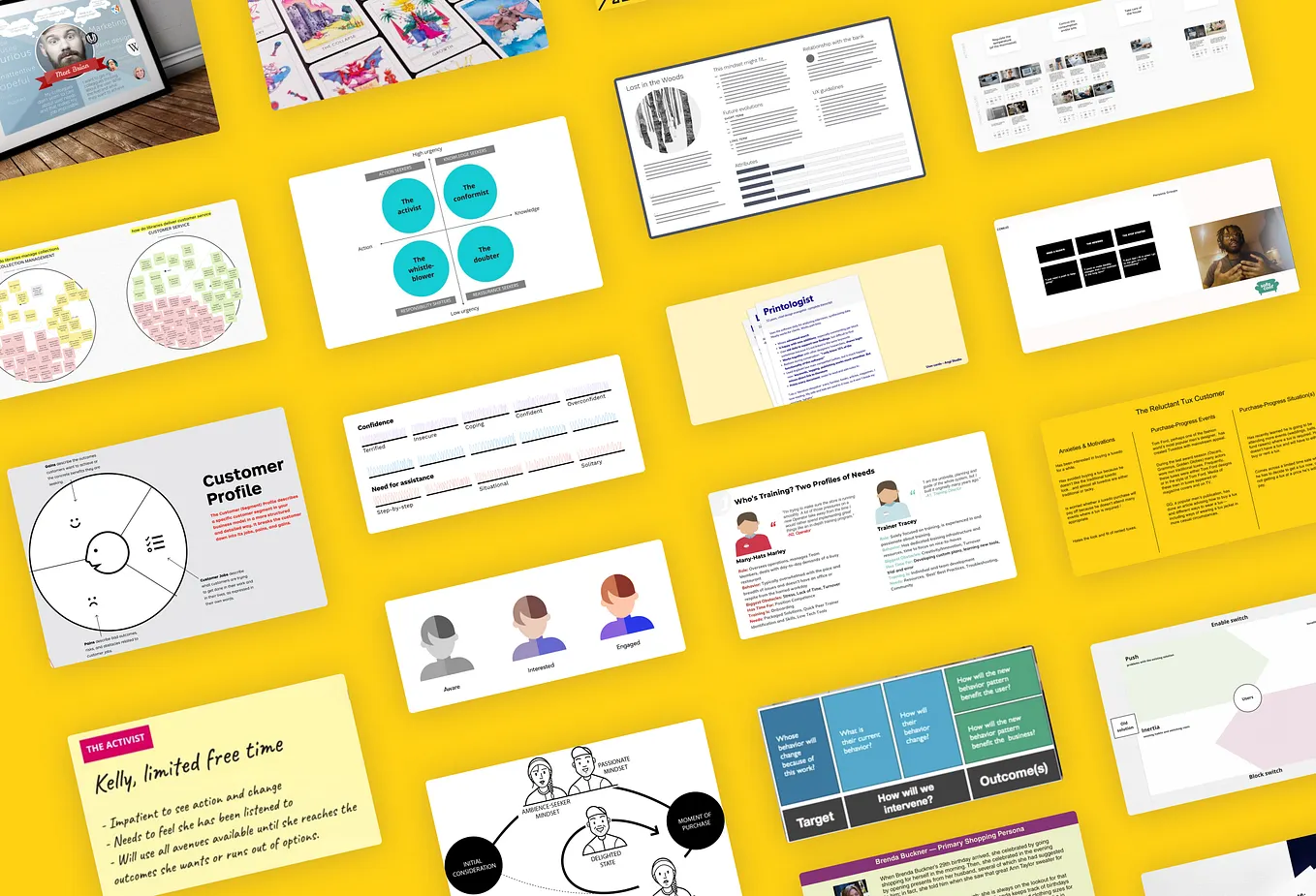
Ditch your personas. Here are 17 alternatives you can use
Personas are one of those ‘things UX designers’ do. Here are some alternatives for you to use! 💪
Aug 30, 2021


Sick of being a night owl? How I became a morning lark and adjusted my chronotype
I used to be a typical night-owl. I was comfortable working in the evenings and nights, and grumpy in the morning. I used to be happy with…
Dec 17, 2023

In
by
Pokemapping: a simple process to replace personas
Personas have problems, but the idea of empathizing with people is nice. With Pokemapping we’ve invented a simple process to do that!
Jul 21, 2021
Recommended from Medium


Do Hard Things if You Want an Easy Life
The one skill that changes everything
Jun 14

The End of Dashboards and Design Systems
Design is becoming quietly human again.
Nov 26


David Evan “Daven” Morrison M.D.
You say: “soft skills”, I say: “Nice career you got there”
An organizational psychiatrist’s five responses to: “That’s just soft stuff”
Aug 8

In
by
Empty State Design: A Practical Guide
Covering what empty states are, their anatomy, common use cases, and different types with tips on when to use each.
Jun 17

In
by
Why Nobody Wants to Hire You Anymore
It’s not just older workers. It’s not just Gen Z. The entire job market has turned hostile, and most of us are on the wrong side of it.
Nov 10

Why everything looks the same in 2025
The Copy-Paste World
Sep 24